
 Best Platforms
 Live Odds




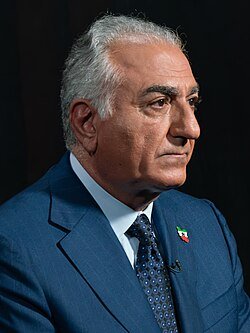

Crown prince Reza Pahlavi on US military intervention in Iran and how a post Islamic Republic 'transition' would work
Contacts In Washington
The article emphasizes that Pahlavi has been speaking with U.S. officials, which helps explain why questions about recognition keep circulating. Those contacts may signal interest in his views, but they are not proof of state endorsement.
He presents himself as a transitional figure, which is a softer claim than demanding permanent rule. That framing is compatible with opposition politics but still does not amount to formal recognition.
Recognition Gap
The report is important because it shows how opposition legitimacy can be built through conversation, media exposure, and political signaling. Yet those elements stop well short of the legal and diplomatic act of recognizing a foreign leader.
The piece therefore supports a careful reading: Pahlavi is being engaged with, not officially installed. No language in the article suggests the U.S. has made him Iran’s leader.
Bottom Line
The next development to watch would be a direct White House or State Department statement. Without that, the current coverage remains consistent: Pahlavi is a prominent opposition figure seeking a role in a future transition.
That makes him newsworthy, but it does not answer the question in the affirmative. The available reporting points to no formal U.S. recognition in 2026.