
 Best Platforms
 Live Odds





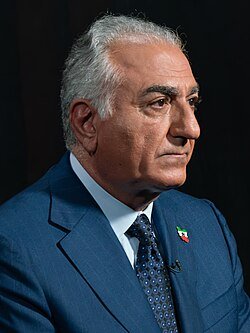

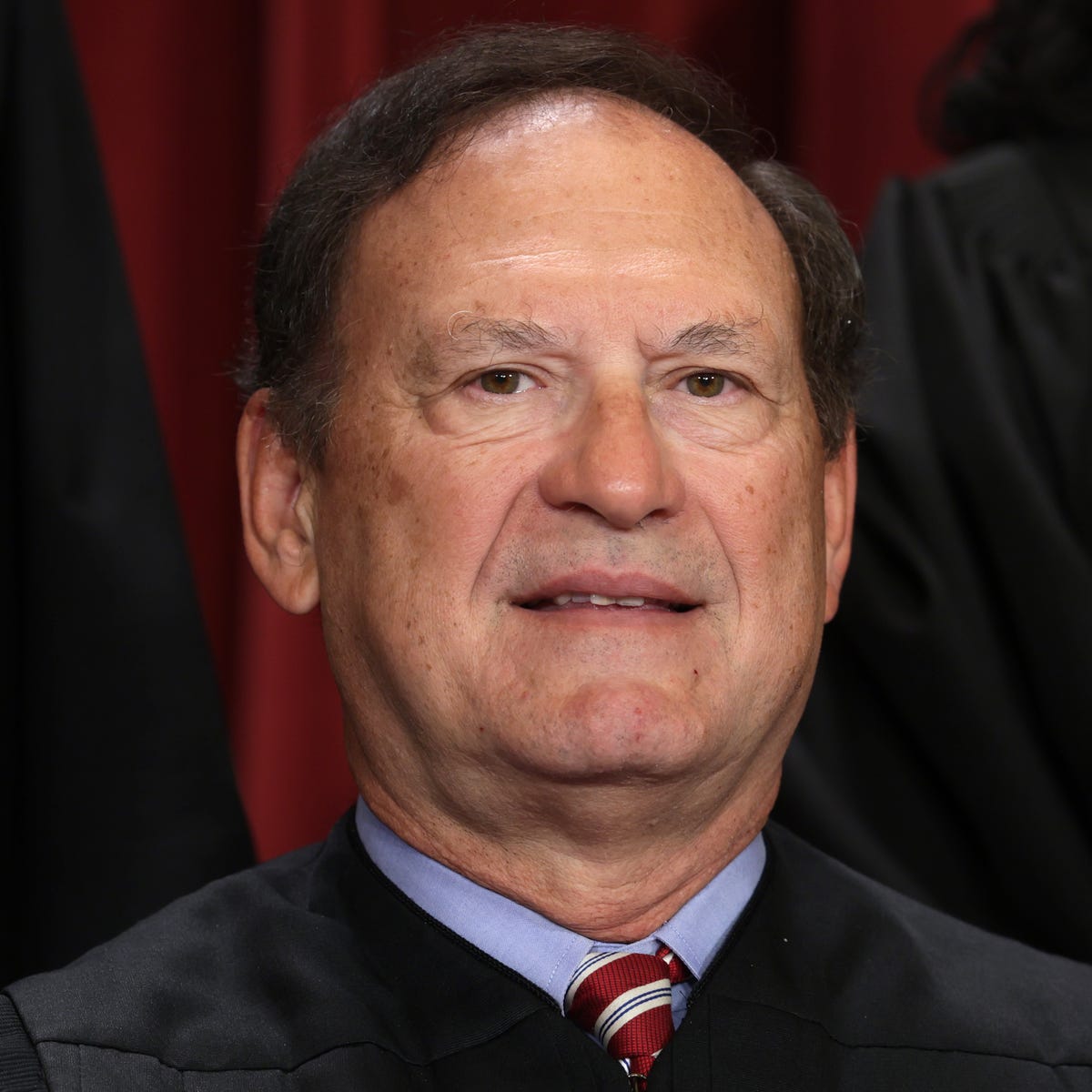
Venezuela notifies UN of withdrawal from ICC, alleging 'bias'
Defiant move
The withdrawal is a political message as much as a legal one. By rejecting the ICC, Caracas is signaling that it does not intend to let international institutions shape its domestic legitimacy debate.
That move fits a broader pattern of defiance from the current authorities, who appear intent on controlling the narrative around governance and accountability.
International stakes
This matters because international legal pressure has often been one of the few external constraints on Venezuelan officials. Pulling back from the ICC may reduce one avenue for accountability while giving the government more room to frame itself as resisting foreign interference.
At the same time, the decision can further isolate the leadership and complicate relations with governments that want a negotiated transition.
Next moves
What happens next will depend on whether other states treat the withdrawal as a signal to press harder or to reopen talks. The government may see the move as strengthening its hand, but it could also deepen distrust among opposition leaders and foreign mediators.
That makes the end-of-2026 leadership picture more uncertain, not less, because it suggests continued institutional confrontation rather than a shared transition plan.
